
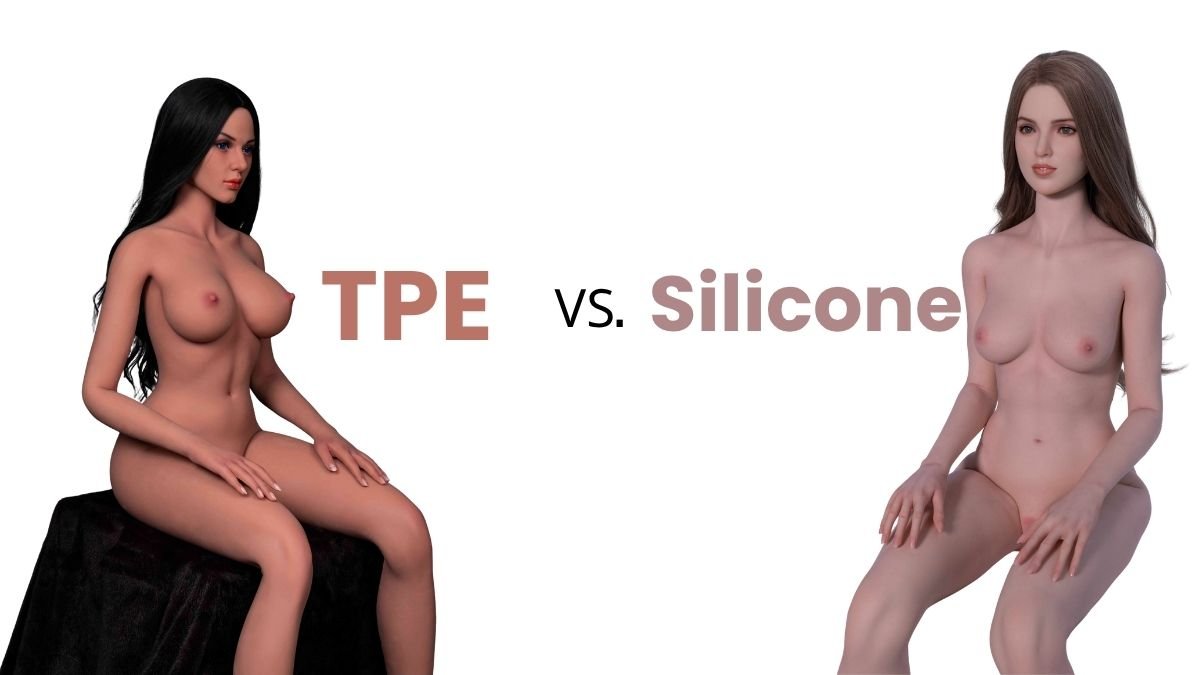
Choosing between TPE and silicone is one of the most important decisions when buying a realistic doll. It affects far more than price. The material influences how the body feels, how much visual detail it can hold, how easily it may stain, how it should be cleaned, and what kind of long-term care it needs.
The common summary is that TPE is softer and more affordable, while silicone is more detailed and easier to maintain. That summary is useful, but it is incomplete.
“TPE” and “silicone” are not single formulas. Manufacturers can adjust softness, elasticity, surface finish, pigments, internal filling, and wall thickness. A soft-silicone product may feel very different from a traditional firmer silicone body, while two TPE dolls from different manufacturers may not feel identical.
The best choice is therefore not the material with the longest list of advantages. It is the material whose trade-offs match the way you plan to handle, dress, clean, store, and enjoy the doll.
This TPE vs silicone sex dolls guide compares the two materials by feel, appearance, maintenance, staining, durability, handling, repair, and cost.
The Quick Answer
A TPE sex doll is usually the better match when you prioritize:
- A softer and more yielding body feel
- Greater flexibility in the outer material
- A lower initial purchase price
- A wider range of affordable full-size models
- Comfort with a more careful cleaning and storage routine
A silicone sex doll is usually the better match when you prioritize:
- Sharper facial and body detail
- More stable makeup and surface finishing
- Better resistance to clothing dye and surface absorption
- Less routine surface conditioning
- Willingness to pay more for the material and finishing process
Neither material is maintenance-free, tear-proof, or completely stain-proof.
What Is TPE?

TPE stands for thermoplastic elastomer. It is a broad family of rubber-like materials that can be processed using thermoplastic manufacturing methods.
In realistic dolls, manufacturers adjust the formula to control softness, elasticity, color, surface feel, and production cost. This is why two products both described as TPE can feel noticeably different. One may be extremely soft and stretchy, while another may be firmer, denser, or less oily at the surface.
TPE is widely used because it can create a soft, compressible body at a more accessible price than many silicone models. It is particularly attractive to buyers who value tactile softness and flexibility.
The trade-off is that many TPE formulations require more care around moisture, oils, dark clothing, heat, pressure, and incompatible materials. Thorough drying and correct storage are especially important.
Browse TPE Dolls to compare available body types and designs.
What Is Silicone?

Silicone is also a family of elastomer materials rather than one universal formula. After curing, silicone forms a stable rubber-like material that can be molded with fine detail.
For realistic doll production, silicone is valued for its ability to preserve sculpted features, skin texture, makeup, and surface finishing. It is commonly selected for products where detailed faces, defined body contours, and close-up appearance are priorities.
Silicone is generally less prone to surface absorption than TPE, but this does not mean a complete doll can be treated as maintenance-free. Seams, openings, internal cavities, painted areas, hair, connectors, and electronic components may all require separate care.
Silicone is not automatically hard. Traditional silicone products may feel firm, while newer soft-silicone heads and bodies can be much more yielding. Product-specific descriptions are more useful than the material name alone.
Browse Silicone Dolls to compare current models and finishes.
TPE vs Silicone Sex Dolls: Side-by-Side Comparison
| Factor | TPE | Silicone |
|---|---|---|
| Typical body feel | Softer and more yielding | Usually firmer, although soft formulas exist |
| Outer-material flexibility | Generally high | Varies by formula and construction |
| Fine facial and skin detail | Good | Usually sharper and more defined |
| Clothing-dye resistance | Requires greater caution | Generally better, but not stain-proof |
| Surface absorption | Usually higher | Usually lower |
| Routine powdering | Often recommended | Depends on the manufacturer and finish |
| Cleaning and drying | Requires especially careful drying and surface care | Surface care is generally easier |
| Heat sensitivity | Usually more heat-sensitive | Material is generally more heat-stable |
| Initial price | Usually lower | Usually higher |
| Repair method | Requires TPE-compatible products and methods | Requires silicone-compatible products and methods |
| Best suited to | Softness and value | Detail and easier surface maintenance |
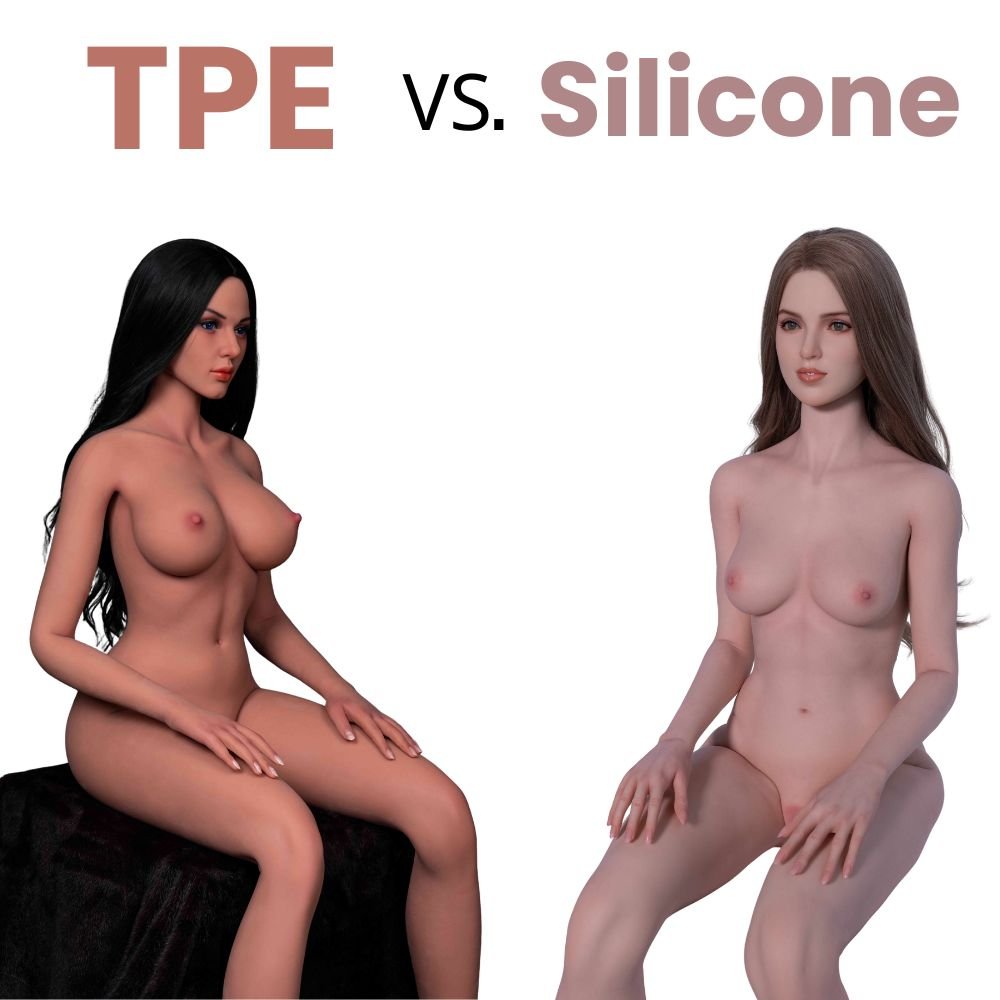
This table describes common tendencies. The individual product listing and care instructions should always take priority.
1. Which Material Feels Softer?
TPE is usually the softer choice.
A typical TPE body compresses more easily under pressure and has more “give” when held. For buyers who judge realism mainly through softness and flexibility, this can be its most important advantage.
Silicone often feels firmer because it is selected for shape retention and fine detail. However, the old rule that “all silicone is hard” is no longer reliable. Soft-silicone formulations can feel significantly different from traditional firm silicone products.
Softness may also vary across different parts of the same doll. The chest or buttocks may contain gel or foam, while the limbs and torso use the main outer material. A doll with gel breasts can therefore feel much softer in the chest even when the rest of the body is relatively firm.
Do not compare two dolls only by the words TPE and silicone. Check whether the product lists gel-filled areas, softness upgrades, foam structures, or manufacturer-specific body technology.
2. Which Material Looks More Realistic?
Visual realism and tactile realism are not always the same.
TPE can create convincing body softness and natural compression. At normal viewing distance, a well-designed TPE body may look highly realistic.
Silicone usually has an advantage in close-up detail. It can hold sharper facial lines, skin texture, lip definition, nail details, body contours, and layered makeup. It also tends to provide a more stable surface for detailed painting and finishing.
The difference may be especially noticeable in:
- Close-up photography
- Facial features
- Makeup transitions
- Fine skin texture
- Hands, feet, and nails
- Defined body sculpting
Material alone does not guarantee realism. A well-sculpted and carefully finished TPE doll may look more convincing than a poorly designed silicone model. Head design, body proportions, makeup, lighting, and photography remain important.
3. Which Is Easier to Clean and Maintain?
Silicone generally requires less surface maintenance, but both materials need a proper cleaning and drying routine.
TPE may retain surface oils and moisture more readily. After cleaning, it should be dried thoroughly, especially inside fixed cavities. Depending on the manufacturer, a compatible renewal powder may be recommended after the surface is completely dry to reduce tackiness and maintain the intended feel.
Silicone often requires less routine conditioning, although some silicone finishes may also benefit from light powdering. The correct care routine depends on the manufacturer and the specific surface finish.
For either material:
- Follow the care instructions supplied with the product.
- Use only compatible cleaners and lubricants.
- Avoid harsh solvents, bleach, abrasive tools, and unapproved chemicals.
- Keep water away from metal joints, connectors, electronics, and areas that should remain dry.
- Dry internal cavities completely before storage.
- Do not use boiling water, a hair dryer, a radiator, or uncontrolled direct heat.
Care should be based on the complete product, not just its outer skin. A doll may also contain a metal skeleton, foam, gel, removable inserts, implanted hair, painted areas, or electronic functions with separate limitations.
For a detailed routine, see the Sex Doll Cleaning and Care Guide.
4. Which Is More Resistant to Clothing Stains?
Silicone generally offers better resistance to dye transfer, but no realistic doll should be treated as completely stain-proof.
Dark clothing can release dye through pressure, heat, moisture, friction, or long contact. Black, dark blue, red, denim, leather-like materials, and inexpensive highly saturated fabrics deserve special caution.
TPE normally requires the strictest clothing routine:
- Wash new dark garments separately before use.
- Allow them to dry completely.
- Test the fabric on a hidden area for a short period.
- Use a light-colored underlayer when practical.
- Do not store the doll in untested dark clothing.
- Remove the garment immediately if discoloration appears.
Silicone is generally less absorbent, but it can still be marked by strong dyes, ink, printed paper, rubber, leather, metal oxidation, or incompatible materials.
Staining behavior may also vary by formula and skin pigment. The product’s care instructions remain the final authority.
5. Which Material Is More Durable?
There is no honest one-word answer, because TPE and silicone tend to fail in different ways.
TPE is highly flexible, but softness does not make it indestructible. Thin areas may stretch, split, or develop pressure marks. Fingers, toes, armpits, groin areas, and openings are common stress points because they experience repeated movement or concentrated force.
Silicone usually retains shape and fine surface detail well, but it can still tear. Thin edges and areas around joints can be vulnerable. Painted surfaces may also be damaged by friction, impact, or incompatible cleaners.
Durability depends heavily on handling:
- Do not lift the doll by the head, hands, feet, fingers, or a single limb.
- Support the torso and hips when moving it.
- Move joints slowly and within their designed range.
- Avoid leaving the body tightly folded or compressed for long periods.
- Protect the surface from rough floors, sharp nails, jewelry, zippers, and hard furniture edges.
- Reposition the doll periodically during long-term storage.
It is misleading to promise that one material will last a fixed number of years. Usage frequency, storage, climate, body weight, skin thickness, joint tension, and accidental damage can matter as much as the material.
6. Does Silicone Weigh More Than TPE?
Do not estimate a finished doll’s weight from material alone.
The final weight depends on:
- Height
- Body shape and volume
- Wall thickness
- Internal foam or gel
- Skeleton design
- Hollow or solid sections
- Head construction
- Additional functions
A compact silicone doll may weigh less than a tall, curvy TPE doll. Two dolls of the same height may also differ significantly because of hip width, torso volume, breast construction, and internal design.
Always check the listed product weight. Then consider the practical tasks: lifting the doll from storage, carrying it through a doorway, moving it upstairs, cleaning it, dressing it, and positioning it safely.
For many first-time owners, total weight affects everyday satisfaction more than the difference between TPE and silicone.
7. What About Heat and Long-Term Storage?
TPE is generally more sensitive to high temperatures and deformation. Silicone is usually more heat-stable as a material, but a finished silicone doll should still not be exposed to uncontrolled heat.
For both materials:
- Avoid direct sunlight.
- Keep away from radiators and space heaters.
- Do not leave the doll in a hot vehicle.
- Do not use an electric blanket unless the manufacturer approves it.
- Do not use a hair dryer to speed up drying.
- Store in a clean, dry, temperature-stable area.
- Avoid prolonged contact with dark fabrics, printed paper, rubber, and unknown plastics.
Long-term pressure is also important. A heavy doll left in the same position may develop compression marks. Support the body evenly, avoid hard objects beneath it, and follow the recommended storage method for the specific model.
8. Is One Material Easier to Repair?
Repair methods are different and should never be treated as interchangeable.
TPE damage may sometimes be repaired with products and methods designed specifically for TPE. Silicone requires a compatible silicone adhesive, pigment system, or professional repair process.
The wrong glue, solvent, heat level, pigment, or technique can enlarge the damage or leave a permanent mark.
Before attempting a repair:
- Take clear photos.
- Stop stretching or using the damaged area.
- Confirm the exact material.
- Ask the seller or manufacturer for the recommended repair method.
- Test any color or adhesive only where instructed.
A small outer-skin cut is not the same as an exposed skeleton, broken joint, damaged connector, or electrical fault. Structural damage may require professional assistance.
9. Why Are Silicone Dolls Usually More Expensive?
The difference is not only the raw material cost.
Silicone products may require more complex molding, curing, painting, surface finishing, quality control, and repair work during production. Detailed silicone heads may involve multiple layers of makeup and finishing that are difficult to reproduce consistently.
TPE is generally more economical to process at scale, allowing manufacturers to offer more full-size bodies at lower prices.
However, a higher price does not automatically make silicone the better choice. A buyer who values softness may prefer a TPE body even with a larger budget. A buyer who prioritizes facial detail, stain resistance, and easier surface care may consider silicone worth the additional cost.
Compare the complete configuration, including:
- Head and body combination
- Skeleton design
- Standing feet
- Finger structure
- Gel or foam features
- Hair type
- Included accessories
- Warehouse location
- Custom options
- Warranty and after-sales support
Who Should Choose a TPE Sex Doll?
TPE is often a better match for someone who:
- Wants a softer and more compressible body feel
- Has a defined budget
- Values flexibility more than fine surface detail
- Does not mind a more careful maintenance routine
- Can store the doll away from heat and dark fabrics
- Understands the need for complete drying and stain prevention
TPE can be an excellent first choice, but it should not be chosen only because it costs less. The owner must also be comfortable with its care requirements.
Who Should Choose a Silicone Sex Doll?
Silicone is often a better match for someone who:
- Prioritizes facial detail and close-up photography
- Wants a more stable painted finish
- Prefers lower surface absorption
- Wants less routine surface conditioning
- Is especially concerned about clothing-dye transfer
- Accepts a higher initial price
- Is comfortable with a body that may feel firmer
Silicone is not maintenance-free. It still requires careful movement, cleaning, drying, storage, and protection of painted areas.
The Most Practical Way to Decide
Ask yourself these seven questions:
- Is softness or visual detail more important to me?
- How much time am I willing to spend on cleaning and surface care?
- Will the doll frequently wear dark clothing?
- How much weight can I safely lift and move?
- Will I use the doll mainly for handling, display, or photography?
- Am I willing to pay more for sharper detail and easier surface maintenance?
- Does the individual product have the body size, skeleton, and features I actually need?
After answering them, compare All Dolls rather than filtering by material alone.
A TPE doll with the right weight, body proportions, and skeleton may suit you better than a silicone doll with the wrong dimensions. The opposite may also be true.
Frequently Asked Questions
Is TPE always softer than silicone?
Usually, but not always. Formulas and internal body construction vary. Soft-silicone products and firmer TPE products exist, so the individual product description matters.
Is silicone completely stain-proof?
No. Silicone generally resists dye transfer better than TPE, but strong dyes and prolonged contact can still cause marks.
Does a silicone doll need no maintenance?
No. It may require less surface conditioning, but it still needs cleaning, complete drying, careful storage, and protection from friction and damage.
Can TPE and silicone touch each other during storage?
Compatibility may vary by formulation. Avoid prolonged direct contact unless the manufacturer confirms it is safe. Use a clean, light-colored barrier when necessary.
Which material is better for a first-time buyer?
There is no universal answer. TPE may provide greater softness at a lower initial cost. Silicone may be easier for buyers who prioritize facial detail, resistance to dye transfer, and lower surface maintenance. Weight and storage requirements should be considered before choosing either material.
Which material looks better in photographs?
Silicone often holds sharper surface detail and makeup, which may help in close-up photography. A well-designed TPE doll can still look highly realistic in normal product and lifestyle images.
Final Verdict
The TPE vs silicone sex dolls decision is best understood as a trade-off:
- TPE usually offers more softness, flexibility, and value.
- Silicone usually offers more detail, resistance to staining, and easier surface maintenance.
Do not choose from a comparison chart alone. Check the individual doll’s weight, dimensions, construction, skeleton, softness features, and care instructions.
The right material is the one you can comfortably handle, maintain, store, and enjoy over time—not simply the one described as the most advanced.